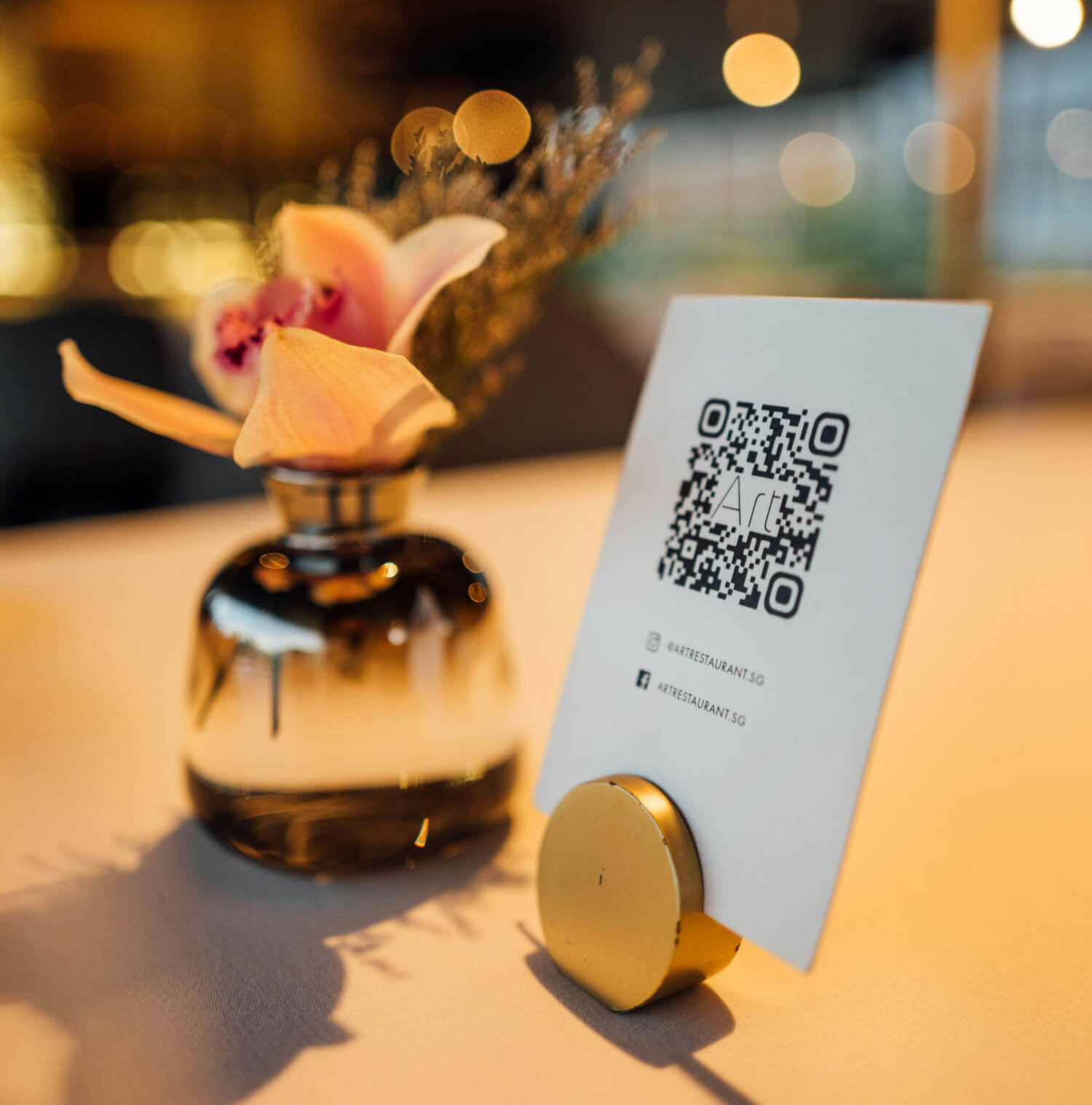
Static QR codes are useful, but limited
QR codes are now part of everyday customer behavior. People scan menus, signs, packaging, business cards, mailers, event flyers, and table tents without thinking twice. That familiarity is a major opportunity for small businesses, local marketers, agencies, and event organizers. The problem is that many QR codes are still treated as one-time objects instead of measurable marketing tools.
A static QR code usually points to one destination forever. It can be useful when the destination never changes, but marketing rarely works that way. Offers expire. Menus change. Landing pages get improved. Campaigns need testing. A business may print 500 flyers and later realize the link should point to a different page. With a static code, the printed material is already locked.
Dynamic QR codes give campaigns flexibility
A dynamic or trackable QR code changes the strategy. Instead of treating the printed code as the final destination, the code becomes the doorway into a campaign. The destination behind that code can be managed, measured, and improved over time. That means a restaurant menu, service flyer, rack card, postcard, business card, or table sign can stay useful even after the business updates the link.
That flexibility is one of the most important advantages of Nalu Link. A campaign can be created once, used on physical or digital materials, and then updated as the business learns what works. If the first landing page does not convert well, the campaign can point to a stronger offer. If a seasonal menu changes, the code can point to the new menu without reprinting the table tents.
Tracking turns scans into marketing intelligence
The biggest difference between a basic QR code and a trackable campaign is measurement. A regular code may send people to a page, but it does not tell the business enough about performance. A trackable QR code campaign can help show how many times people scanned, which locations are creating activity, and which materials are worth repeating.
That data changes the conversation. Instead of asking whether a flyer “worked,” the business can compare scan activity by campaign, offer, placement, or geography. A campaign placed in a coffee shop can be compared with a campaign placed in a gym. A direct mail campaign in one neighborhood can be compared with another. A restaurant can test which table sign gets more engagement.
Better data protects print marketing budgets
Print marketing still has value because it reaches people in the real world. The challenge is that print can feel difficult to measure. Businesses may spend money on mailers, menus, rack cards, posters, or local flyers and then rely on guesswork to decide whether to repeat the campaign. Trackable QR codes bring accountability to those physical materials.
When every campaign has its own QR code or campaign link, the business can see which materials deserve more investment. That does not eliminate the need for good offers, strong design, or smart distribution. It simply gives the business a clearer view of response so future decisions are based on real behavior instead of assumptions.
Nalu Link connects physical and digital campaigns
Nalu Link is especially useful because it combines physical marketing assets with digital campaign tracking. Businesses can create trackable links and QR codes for menus, review requests, offers, flyers, business cards, and other promotions. They can also use the platform to create simple printable materials, which keeps the campaign setup practical for people who are not designers.
The result is a more complete workflow: build the campaign, create the QR code, place it on print or digital materials, monitor performance, and adjust the destination when needed. For small businesses and agencies, that workflow can make QR code marketing feel less like a novelty and more like a practical marketing system.
When to use a trackable QR code
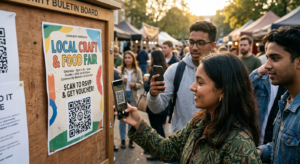
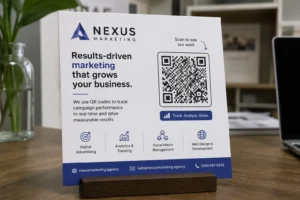
Use a trackable QR code when the destination might change, when the campaign needs reporting, or when the business wants to compare performance across locations or placements. Restaurant menus, direct mail pieces, real estate flyers, open house signs, salon promotions, fitness trial offers, nonprofit donation cards, and event materials are all strong examples.
A static QR code may be fine for a permanent document or a one-time internal use. But for marketing, the safer choice is usually a trackable campaign. It keeps the business from being trapped by the first link and gives the team a better chance to learn from every scan.
FAQ
What is the difference between a static QR code and a dynamic QR code?
A static QR code points directly to one fixed destination. A dynamic or trackable QR code routes through a campaign link so the destination can be managed and performance can be measured.
Why are trackable QR codes better for marketing?
They make campaigns measurable and flexible. Businesses can review scan activity, compare placements, and update destinations without starting over.
Can a QR code link be changed after printing?
With a trackable campaign system like Nalu Link, the destination behind the campaign can be updated, which helps avoid unnecessary reprinting.
What types of campaigns should use trackable QR codes?
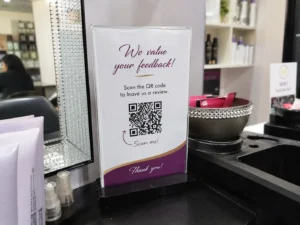
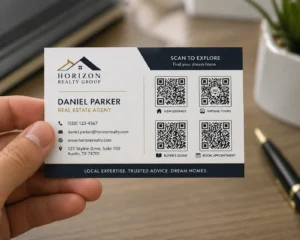
Menus, flyers, direct mail, business cards, event signs, review requests, real estate signs, nonprofit donation campaigns, and local promotions are strong use cases.
Create a free Nalu Link account and build a trackable QR code or campaign link for your next print or digital campaign.
Practical setup checklist
For best results, treat each QR code as a campaign instead of a decoration. Create the campaign before printing, give it a clear name, test the QR code on multiple phones, and confirm the destination page is ready for visitors.
Use separate campaigns when you want separate reporting. A restaurant table tent, direct mail route, event flyer, business card, and storefront sign should not all use the same code if the business wants to compare results. The cleaner the campaign setup is, the easier the reporting will be.
After publishing or distributing the materials, review scan activity monthly. Keep the strongest campaigns, improve underperforming destinations, and update links when menus, offers, listings, or landing pages change. The goal is to make every printed piece easier to measure and easier to improve.