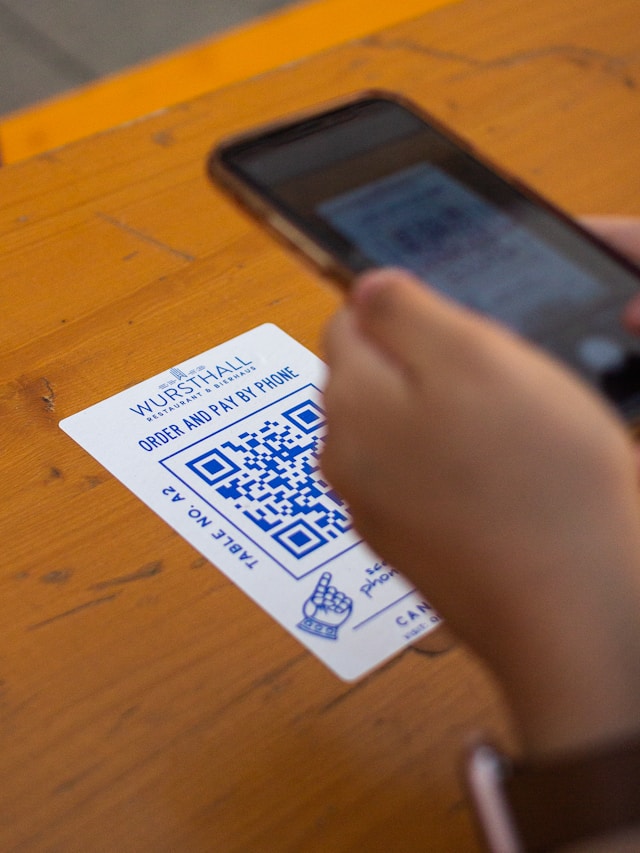
Printed marketing should not be a guessing game
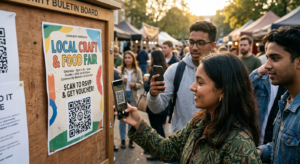
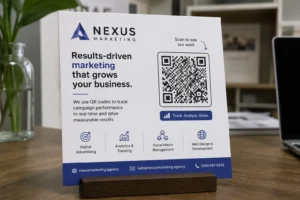
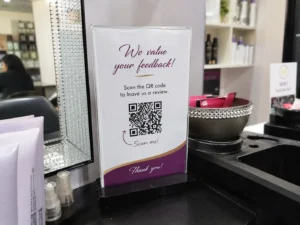
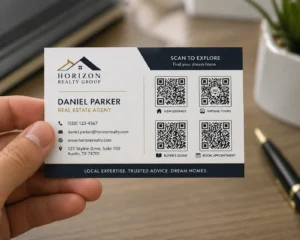
Many businesses still use flyers, menus, postcards, table tents, signs, and business cards because physical marketing works in places where people are already paying attention. A table sign can reach a restaurant customer during lunch. A postcard can reach someone at home. A flyer can reach a shopper in a local neighborhood. The weakness is measurement. Without tracking, it is hard to know which piece actually created action.
A QR code gives printed materials a direct path to a digital action. But the real value comes when that QR code is trackable. Instead of simply sending someone to a website, the campaign can report scan activity so the business can understand what is happening.
Start with separate campaigns for each placement
The most important step is campaign separation. Do not use the same QR code on every flyer, table tent, menu insert, and mailer if the goal is to compare performance. Create a separate Nalu Link campaign for each placement, audience, or offer. That way, each code becomes a source of data.
For example, a restaurant might create one campaign for table tents, one for takeout bag inserts, one for local mailers, and one for a storefront sign. A gym might create one QR code for a free trial flyer, another for a referral card, and another for a local partner placement. When scans come in, the business can see which channel is producing interest.
Track what matters before the campaign launches
Before printing, decide what question the campaign needs to answer. Are you trying to learn which neighborhood responds best? Which offer gets the most scans? Which placement creates review requests? Which menu sign drives online orders? The campaign should be built around that question.
Nalu Link helps by turning each QR code and link into a trackable campaign. The cleaner the setup, the easier the reporting becomes. Naming conventions matter too. Use clear campaign names such as “Summer Menu Table Tent,” “July Postcard Route A,” or “Open House Sign Main Street” so reporting is easy to understand later.
Use location data to improve distribution
One of the most useful insights for local campaigns is location activity. If scans are stronger in one area than another, the business can put more effort into that area. If a mailer route gets very few scans, the message, offer, or distribution strategy may need to change.
This is especially valuable for businesses that serve specific neighborhoods, towns, event locations, or retail areas. QR code scan tracking can reveal where physical marketing is creating digital engagement, which helps reduce wasted spend over time.
Use tracking to test offers
Different offers can create very different results. One flyer might promote a discount, another might promote a free consultation, and another might invite people to join a loyalty program. With trackable QR codes, each offer can have its own campaign link so performance can be compared.
This does not need to be complicated. A salon could test “Book Your First Appointment” against “See Our New Client Offer.” A nonprofit could compare “Donate Now” with “See Your Impact.” A real estate agent could compare “View the Listing” with “Schedule a Showing.” The scan data becomes the first layer of feedback.
Keep improving after launch
The best campaigns are not finished when materials are printed. They improve as results come in. If one campaign produces strong scan activity, the business can expand it. If another underperforms, the team can adjust the destination page, offer, or next printed batch.
Nalu Link makes that process practical because the QR code campaign can be managed after launch. For businesses that print menus, flyers, mailers, and cards, that flexibility protects the investment and makes marketing more responsive.
FAQ
Can you track scans from printed QR codes?
Yes. A trackable QR code campaign can measure scan activity from printed materials such as flyers, menus, mailers, signs, and business cards.
Should every flyer use the same QR code?
Not if you want useful data. Create separate campaigns for different placements, offers, or locations so performance can be compared.
What should businesses track first?
Start with scan volume, campaign placement, location trends, and which offer or material created the strongest response.
Can scan data improve future print campaigns?
Yes. Scan data helps businesses identify which materials, neighborhoods, and messages deserve more investment.
Create a free Nalu Link account and build a trackable QR code or campaign link for your next print or digital campaign.
Practical setup checklist
For best results, treat each QR code as a campaign instead of a decoration. Create the campaign before printing, give it a clear name, test the QR code on multiple phones, and confirm the destination page is ready for visitors.
Use separate campaigns when you want separate reporting. A restaurant table tent, direct mail route, event flyer, business card, and storefront sign should not all use the same code if the business wants to compare results. The cleaner the campaign setup is, the easier the reporting will be.
After publishing or distributing the materials, review scan activity monthly. Keep the strongest campaigns, improve underperforming destinations, and update links when menus, offers, listings, or landing pages change. The goal is to make every printed piece easier to measure and easier to improve.