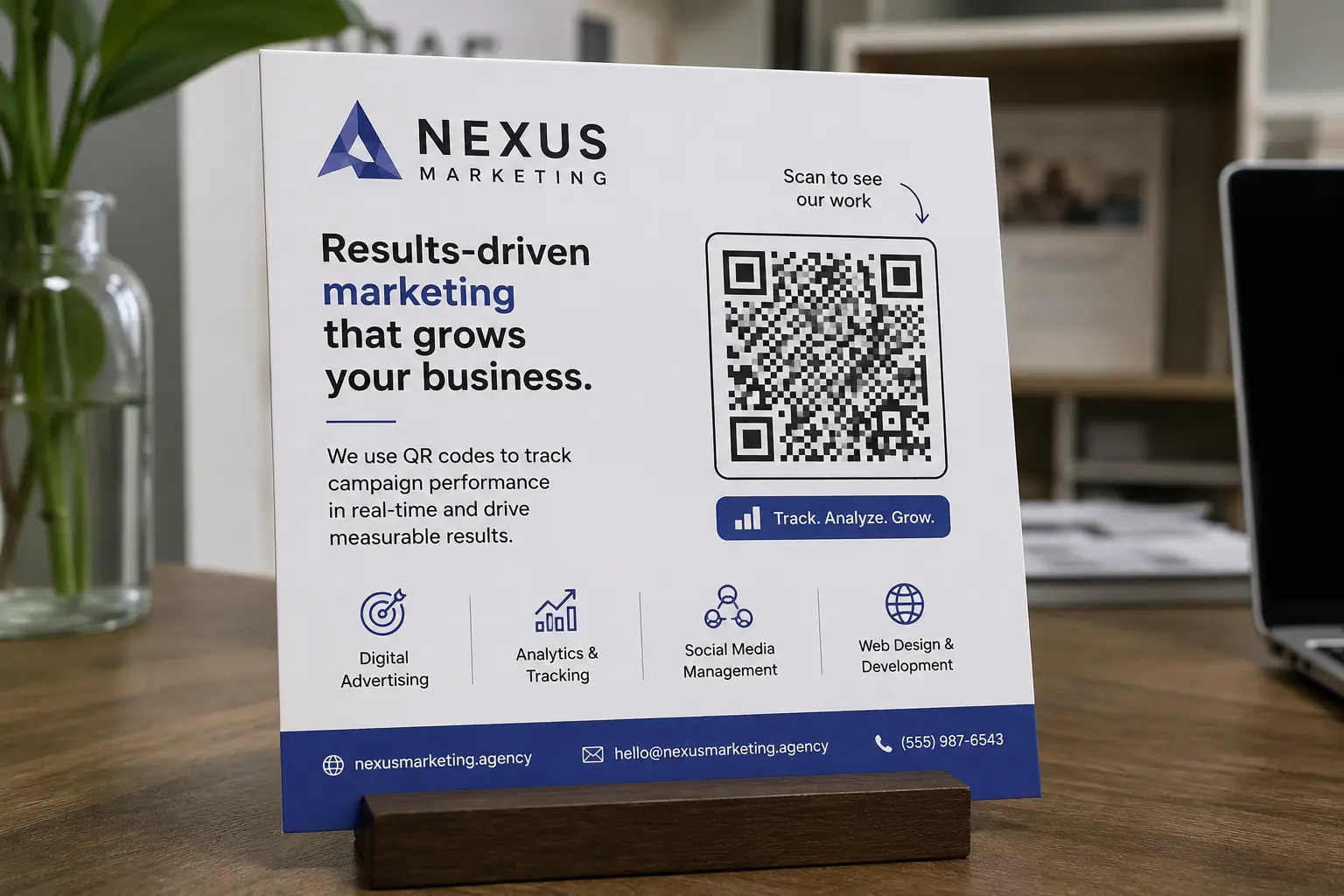
Agencies need measurable services
Marketing agencies are constantly looking for services that clients can understand and results they can report. Trackable QR codes fit that need because they improve something many clients already use: flyers, mailers, menus, signs, business cards, postcards, event materials, and local promotions.
Instead of handing a client a static QR code and moving on, an agency can create a trackable campaign, monitor scan activity, and recommend improvements. That turns a small design detail into a measurable marketing service.
QR code campaigns add value to print design
Many agencies already design printed materials. The missing layer is analytics. A flyer may look great, but the client still wants to know whether people responded. By adding a trackable QR code, the agency can connect the print piece to a landing page and show scan data after the campaign launches.
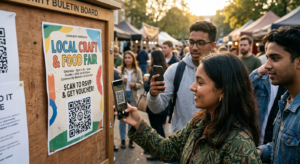
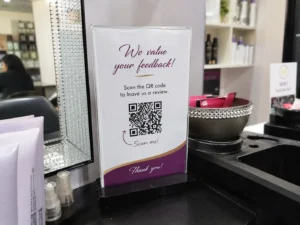
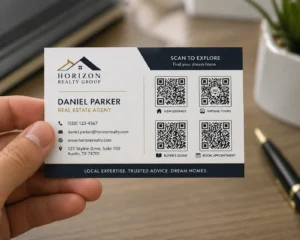
This is useful for restaurant menus, real estate flyers, nonprofit mailers, salon promotions, gym trial cards, event signage, conference handouts, and retail offers. The agency can offer both design and performance tracking.
Client reporting becomes easier
Clients appreciate clear reporting. QR code scan data can help answer basic campaign questions: How many scans did this piece generate? Which location performed best? Which offer got more attention? Did the second batch improve over the first? Those answers make the agency more valuable.
The reporting does not need to be overwhelming. A simple monthly or campaign-end summary can show scan volume, top-performing campaigns, underperforming materials, and recommended next steps.
Agencies can manage multiple client campaigns
Nalu Link’s agency-level use case is especially important for agencies that manage campaigns for many businesses. A platform that supports multiple client businesses and many trackable campaigns can become part of the agency workflow. The agency can organize campaigns by client, service, location, or offer.
This keeps QR code management from becoming messy. Without a campaign system, agencies may end up with scattered codes, unclear links, and no long-term structure.
Trackable QR codes create recurring service opportunities
A static code is a one-time deliverable. A trackable QR campaign creates ongoing value. Agencies can review results, update destinations, test offers, design new materials, and refine distribution. That creates natural opportunities for monthly support, campaign refreshes, direct mail tests, and local marketing packages.
For agencies serving small businesses, this can be a practical add-on that is easy to explain: “We can create the printed material, add a QR code, track scans, and help you improve the next campaign.”
A simple way to modernize local marketing
Many clients still need physical marketing, but they also expect digital accountability. Trackable QR codes help bridge that gap. They allow agencies to say yes to print while still bringing digital analytics into the conversation.
Nalu Link helps agencies deliver that bridge by combining trackable QR codes, campaign links, and simple marketing material creation. It gives agencies a better way to make print campaigns smarter, easier to report, and easier to improve.
FAQ
Why should agencies offer trackable QR codes?
They add measurable value to print and local marketing campaigns, making it easier to report results and recommend improvements.
What client materials work well with QR codes?
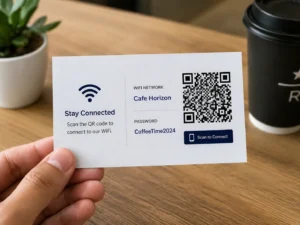
Flyers, menus, mailers, business cards, event signs, table tents, postcards, brochures, and product cards all work well.
Can agencies manage QR codes for multiple clients?
An agency-focused QR code platform can help organize campaigns by client, location, offer, or material type.
Are trackable QR codes a recurring service?
They can be. Agencies can provide setup, reporting, optimization, destination updates, and new campaign materials over time.
Create a free Nalu Link account and build a trackable QR code or campaign link for your next print or digital campaign.
Practical setup checklist
For best results, treat each QR code as a campaign instead of a decoration. Create the campaign before printing, give it a clear name, test the QR code on multiple phones, and confirm the destination page is ready for visitors.
Use separate campaigns when you want separate reporting. A restaurant table tent, direct mail route, event flyer, business card, and storefront sign should not all use the same code if the business wants to compare results. The cleaner the campaign setup is, the easier the reporting will be.
After publishing or distributing the materials, review scan activity monthly. Keep the strongest campaigns, improve underperforming destinations, and update links when menus, offers, listings, or landing pages change. The goal is to make every printed piece easier to measure and easier to improve.